
Sugar Mill Bronze Bearing Liners
Sugar Mill Bronze Bearing Liners
High-Performance Self-Lubricating Bronze Bushing Solutions & Technologies. Minimize downtime, extend service life, and reduce costs for dynamic applications.

The Unsung Hero of Sugar Production: Sugar mill bronze bearing liners and liner bushes, plus a complete range of die-cast, bronze, and gunmetal bushes and more.
Brass bushings, often used in sugar mills, are essential for ensuring smooth machinery operation by reducing friction and wear. They are typically made from a brass alloy known for its durability, low friction, and excellent machinability.
Custom Bronze Bearings for Sugar Mill (LBC-3), Bronze alloy and Leaded Tin Bronze. Specifically for the sugar industry
Bushes and Castings: We supply centrifugal castings, aluminum casting moulds, aluminum bronze rods, phosphor bronze bearing liners, brass sand castings, sugar mill liner bushes, and more.
Material and Benefits: Brass is often chosen for its corrosion resistance and ability to withstand high-pressure environments like those in sugar mills.
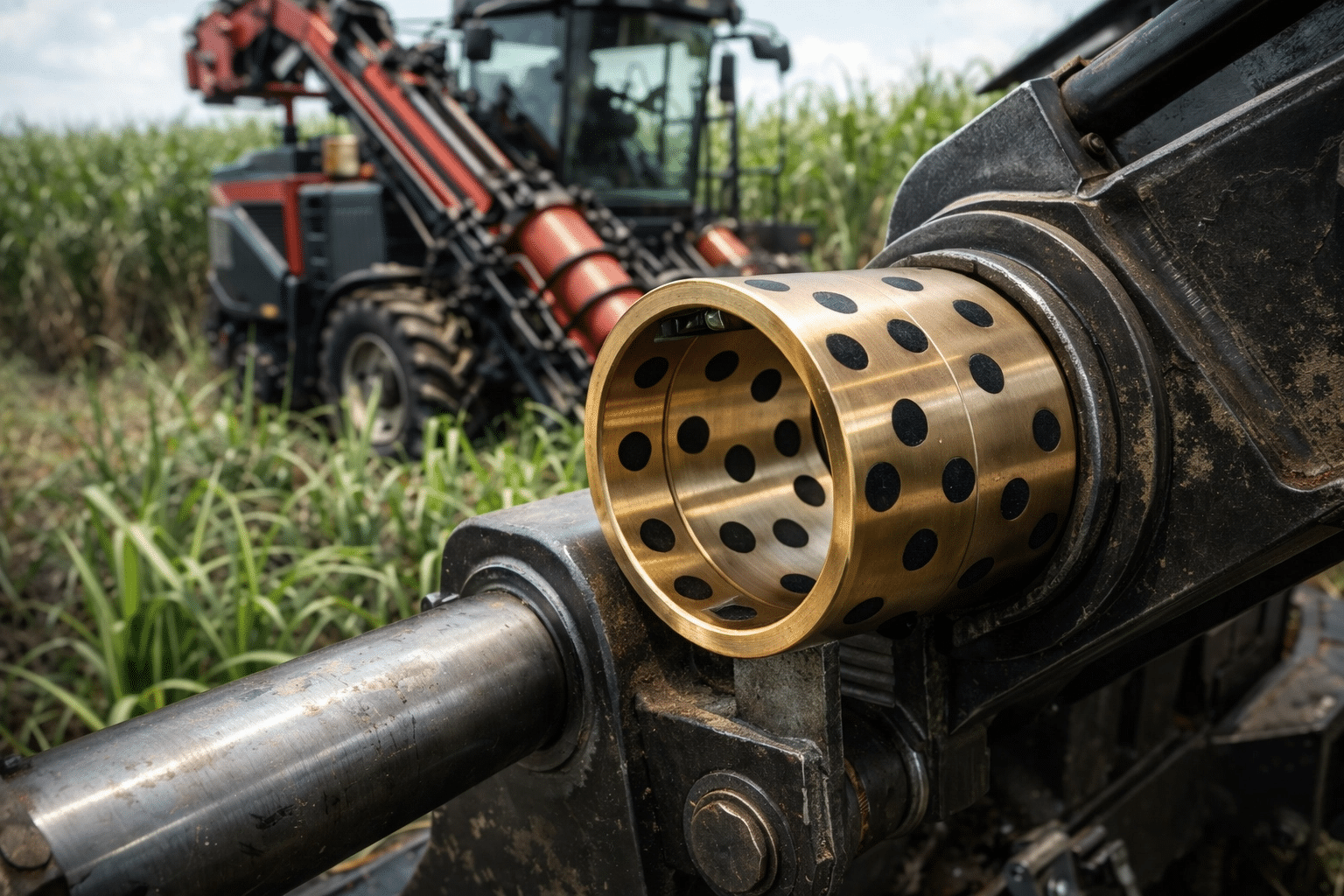
Applications: These bushes are commonly used in the bearings of sugar mill machinery, where they help with load distribution and minimizing friction during operation.
Maintenance: Some brass bushes are designed with lubrication grooves to reduce maintenance and extend their operational life.
Their robust nature makes them a reliable component for heavy machinery in sugar production.
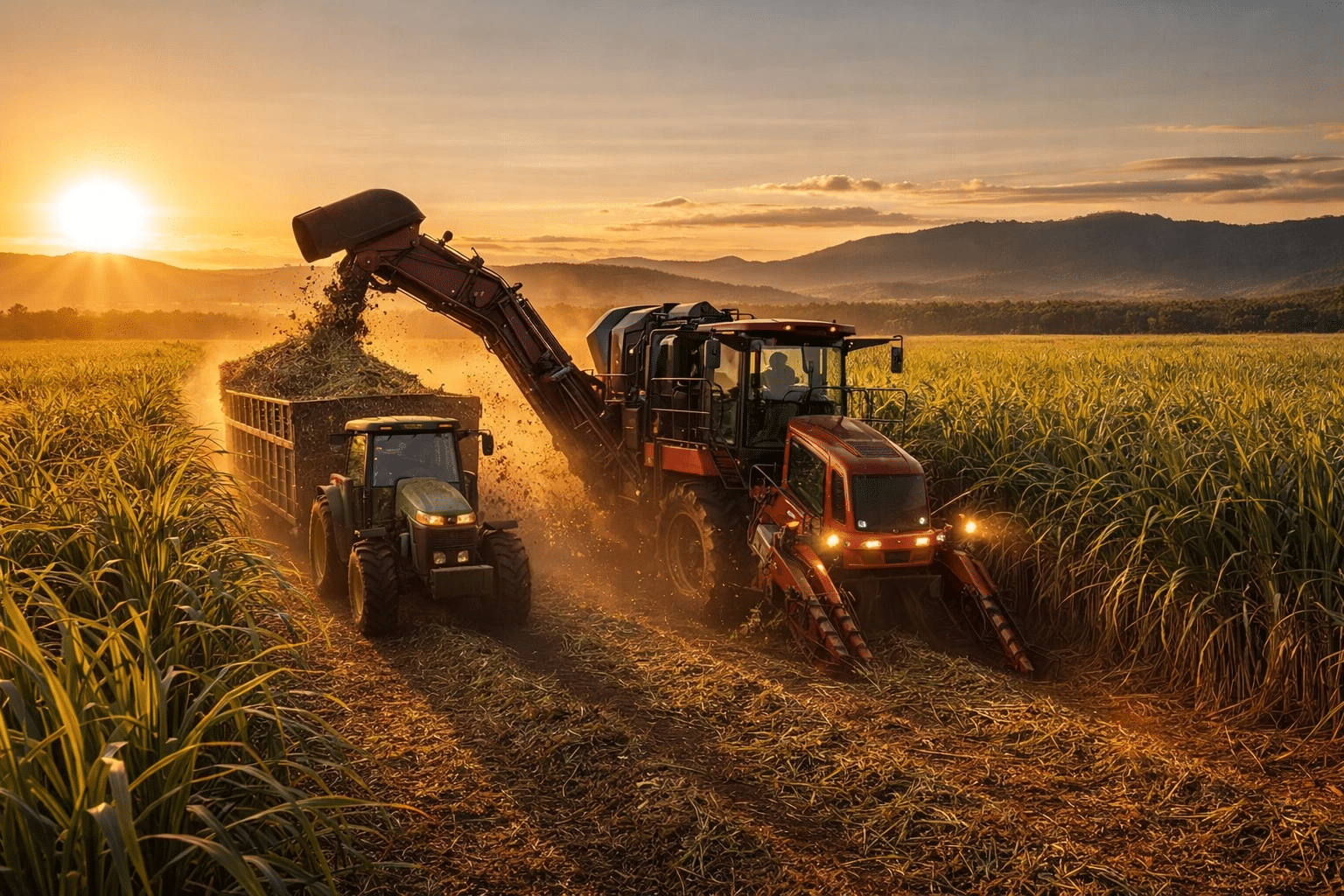
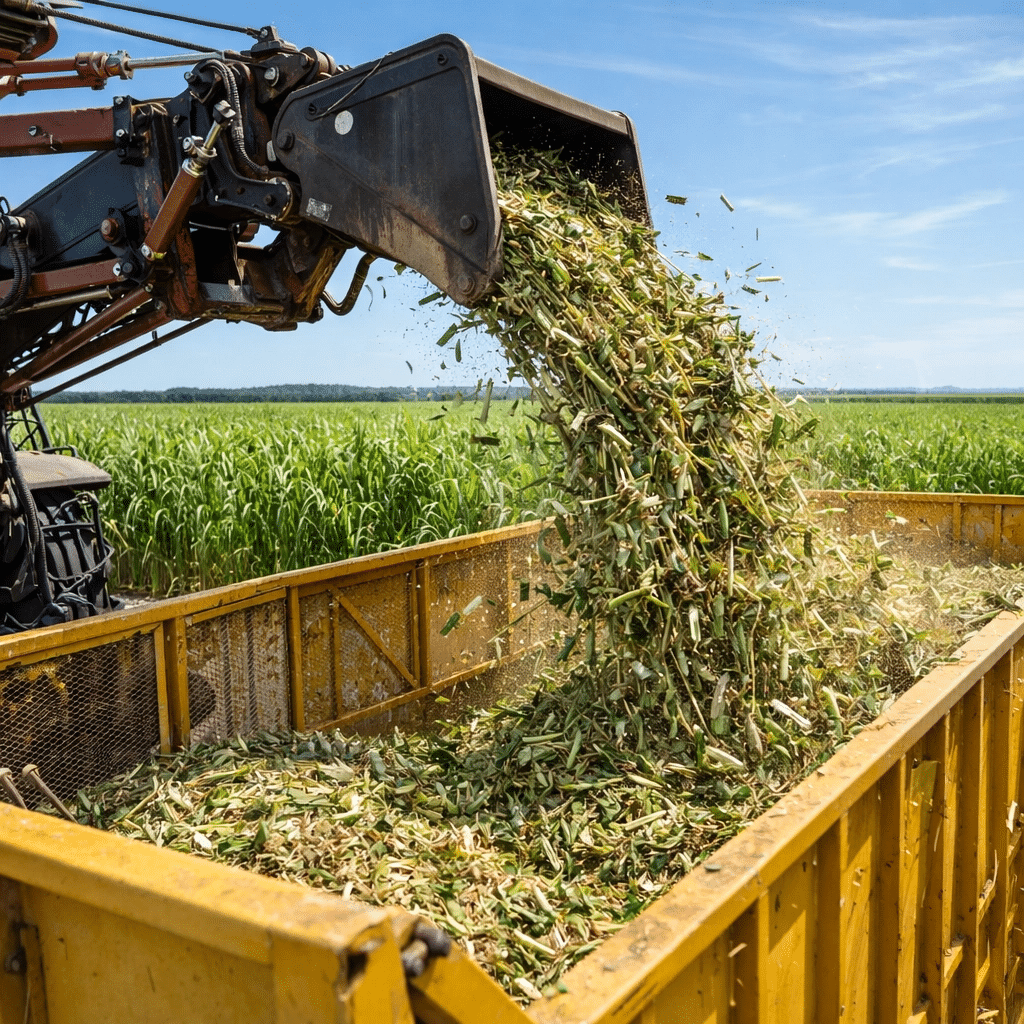
In the heart of every sugar mill, immense forces are at play. Massive rollers crush tons of sugarcane, extracting every drop of precious juice. This environment of high pressure, constant contamination, and corrosive liquids is one of the most demanding industrial settings imaginable. In this brutal arena, the performance of your entire production line can hinge on a single, often overlooked component: the sugar mill bronze bearing liner.
This isn’t just a piece of metal; it’s a critical component engineered to withstand extreme conditions, protect your most expensive assets, and keep your mill running efficiently.
This article is a complete guide to understanding, selecting, and maximizing the life of your bronze bearing liners.
What is a Bronze Bearing Liner and Why is it So Crucial?
A sugar mill bronze bearing liner (also known as a bronze bushing) is a cylindrical sleeve installed within the housing of heavy machinery, like cane crushers and gearboxes. Its primary functions are:
-
To Support the Rotating Shaft: It provides a stable, low-friction surface for the massive mill roll shafts to rotate on.
-
To Absorb Immense Loads: It bears the brunt of the radial forces generated during the crushing process.
-
To Protect the Shaft: As a sacrificial component, it is designed to wear out over time, protecting the far more expensive and difficult-to-replace steel shaft from damage.
A failure in a bearing liner doesn’t just mean replacing a small part. It means immediate, costly downtime, potential catastrophic damage to shafts and rollers, and a halt in production that can cost thousands of dollars per hour.
The Challenge: The Brutal Operating Conditions of a Sugar Mill
To appreciate why bronze is the material of choice, we must first understand the environment it operates in.
-
Extreme Loads & High Impact: The force required to crush sugarcane is immense, creating constant high-pressure and impact loads on the bearings.
-
Low Rotational Speeds: Unlike high-speed applications, sugar mill rollers turn slowly. This prevents the formation of a stable hydrodynamic oil film, meaning the bearing material itself must have excellent self-lubricating properties to prevent seizure.
-
Corrosive Environment: Sugarcane juice is acidic and, combined with the high humidity and water used for cleaning, creates a highly corrosive atmosphere that would quickly destroy standard steel bearings.
-
High Contamination: The air is filled with fibrous sugarcane particles (bagasse), dirt, and grit. These contaminants inevitably find their way into the bearing assembly.
Material Matters: Selecting the Right Bronze Alloy
Not all bronze is created equal. The specific alloy composition determines the bearing’s performance. The most common choices for sugar mills are leaded bronzes and tin bronzes, each with distinct advantages.
Here’s a comparison to help you choose the right material for your application:
| Alloy Type | Common Chinese Grade | Key Characteristics & Benefits | Ideal Application |
| High-Lead Tin Bronze | ZCuPb10Sn10, ZCuPb15Sn8 | Excellent Self-Lubricity: The lead acts as a solid lubricant, crucial for low-speed, high-load conditions.<br>Superb Embeddability: The soft lead phase can absorb and trap hard contaminants, preventing them from scoring the steel shaft.<br>Good Conformability: Can slightly deform to accommodate minor shaft misalignments. | Main Mill Roll Bearings: The primary choice for the main crusher and press roll shafts where loads are highest and contamination is a major risk. |
| Tin Bronze | ZCuSn10P1 | Higher Strength & Hardness: Offers superior resistance to deformation and pounding under heavy loads.<br>Good Corrosion Resistance: The tin content provides robust protection against acidic sugarcane juice.<br>Excellent Wear Resistance: Slower wear rate in clean, well-lubricated conditions. | Gearbox & Drive Systems: Perfect for transmission components, reduction gears, and other areas where strength is more critical than embeddability. |
| Custom Alloys | Per Customer Specs | Can be tailored for specific needs, such as adding aluminum for higher strength (Aluminum Bronze) or nickel for enhanced corrosion resistance. | Specialized equipment or to solve a recurring failure in a standard application. |
Contrasting Logic: Why leaded bronze for the main rollers? Because protecting the multi-thousand-dollar shaft is the top priority. The bearing liner’s ability to “swallow” a piece of grit (embeddability) and run without perfect lubrication is more valuable than its raw strength in this specific context.
Key Features that Translate to Real-World Benefits
When you see a feature on a spec sheet, here’s what it actually means for your mill’s operation:
-
Feature: Excellent Wear Resistance
-
Benefit: Longer Service Life & Reduced Downtime. A liner that wears slowly means fewer replacement cycles, more uptime, and lower maintenance labor costs.
-
-
Feature: High Embeddability (Leaded Bronzes)
-
Benefit: Shaft Protection & Failure Prevention. This is the liner’s most critical job. By embedding contaminants, it acts as a filter, preventing the shaft from being grooved and destroyed. It turns a potential catastrophe into a routine maintenance task.
-
-
Feature: High-Precision Machining
-
Benefit: Reliable Performance & Easy Installation. A precisely machined liner ensures a perfect fit, which is essential for proper load distribution and stable operation. This prevents vibration and premature failure.
-
-
Feature: Customization Options
-
Benefit: A Perfect Solution for Any Machine. Whether you have a standard mill or a unique piece of equipment, custom manufacturing ensures you get a bearing that meets your exact dimensional and material requirements.
-
Enhancing Performance: The Role of Surface Treatments & Machining
The base material is just the beginning. Advanced processing can significantly boost performance.
-
Oil Grooves: These are not random channels. They are precisely machined patterns designed to distribute grease or oil evenly across the bearing surface. The right pattern ensures no part of the bearing starves for lubrication.
-
Common Patterns: Straight, Circular, Figure-Eight, Double Loop. The choice depends on the direction of rotation, load, and lubrication method.
-
-
Tin Plating: A thin layer of tin can be applied to the bearing surface. This provides an initial break-in layer, improves corrosion resistance, and can help prevent seizure during initial startup.
-
Graphite Plugs: For extreme low-speed or hard-to-lubricate areas, solid graphite plugs can be embedded into the bronze to provide continuous, maintenance-free dry lubrication.
(Image suggestion: A simple diagram showcasing 2-3 different oil groove patterns on a bearing liner.)
Bronze vs. Alternatives: Why It Remains the King
While other materials exist, bronze holds its ground in sugar mills for clear reasons.
| Material | Load Capacity | Contaminant Tolerance | Corrosion Resistance | Cost |
| Bronze Liner | Very High | Excellent (especially leaded) | Very Good | Medium |
| Hardened Steel | Excellent | Poor (contaminants will destroy both surfaces) | Poor (without special coating) | Low-Medium |
| Polymer/Composite | Low-Medium | Good | Excellent | High |
The Verdict: Steel bearings can’t handle the contamination or corrosion. Polymer bearings lack the load capacity for the main mill rolls. Bronze offers the uniquely balanced combination of high load capacity, excellent contaminant tolerance (embeddability), and inherent self-lubricating properties that sugar mill applications demand.
Conclusion: An Investment in Reliability
The bronze bearing liner in your sugar mill is more than just a consumable part; it is a strategic investment in the reliability and longevity of your most critical equipment.
By understanding the unique demands of your application and selecting the correct bronze alloy, features, and surface treatments, you can dramatically reduce downtime, protect your assets, and ensure your mill continues to run smoothly and profitably through the demanding harvest season.
Need help selecting the perfect bronze bearing liner for your equipment? Our engineering team has decades of experience in the sugar industry. Contact us today for a technical consultation or a custom quote!
Revolutionize Your Mill: The Secret to High-Efficiency Sugar Mill Machinery Parts
In the competitive world of sugar production, the mandate is clear: increase throughput and maintain quality, all while keeping a tight rein on costs. For plant managers and engineers, this balancing act is a daily challenge. Major equipment overhauls are expensive and disruptive, but falling behind the curve is not an option.
So, where is the solution? It lies not in massive capital expenditure, but in strategic, intelligent upgrades to the components that power your plant. The right sugar mill machinery parts are the key to unlocking hidden efficiency, reducing costly downtime, and ultimately, boosting your bottom line.
This is a guide to how engineered components—designed specifically for the rigors of a sugar mill—can transform your operations.
The Core Philosophy: Accelerate Production, Not Project Costs
The traditional approach to sourcing replacement parts often focuses solely on finding a like-for-like replacement at the competitive possible price. This is a short-sighted strategy. A truly effective component is one that is designed to enhance performance.
Our design philosophy is built on a single, powerful premise: to provide a range of sugar mill machine parts engineered to accelerate your production methods without inflating your project costs. This is achieved by focusing on superior materials, precision engineering, and a deep understanding of the unique stresses within a sugar mill.
Material is a Choice, Not a Default: Bronze, Aluminum & Custom Alloys
The heart of any high-performance mechanical part is the material it’s made from. We produce a wide array of copper alloy bushings and bearings, including bronze and aluminum alloys, because a one-size-fits-all approach doesn’t work in a complex environment like a sugar factory.
The selection of a material is a critical decision based on load, speed, corrosion exposure, and desired lifespan.
| Material Group | Common Alloys | Key Strengths & Characteristics | Ideal Application in a Sugar Mill |
| Leaded & Tin Bronzes | ZCuPb15Sn8, ZCuSn10P1 | Extreme Load Capacity: Excellent for high-pressure applications.<br>Superior Self-Lubrication & Embeddability: Protects shafts from contaminants and seizure.<br>High Wear Resistance: Designed for long service life. | Cane crusher main bearings, heavy-duty gearbox bushings, press rollers, and any high-load, low-speed rotating assembly. |
| Aluminum Bronzes | C95400, C95500 | High Strength & Hardness: Offers exceptional strength, even at high temperatures.<br>Excellent Corrosion Resistance: Resists attack from acidic juices and process water.<br>Good Anti-Galling Properties: Resists wear and seizure against other metals. | Agitator bushings, pump components, valve guides, and wear plates where strength and corrosion resistance are paramount. |
| Custom Copper Alloys | Per Specification | Tailored Performance: Can be engineered to meet a unique combination of hardness, lubricity, and corrosion resistance for a specific problem area in your mill. | Solving recurring failures in specialized equipment, or for applications with unique chemical or temperature challenges. |
By choosing the right material, you move from simply replacing a part to actively upgrading your machinery’s resilience.
The Tangible Payoff: How Engineered Parts Drive Profitability
Investing in high-quality, properly specified parts delivers concrete, measurable returns across your entire operation.
A standard, low-cost part may save money upfront, but it often leads to a cycle of frequent replacement, unplanned downtime, and high labor expenditure. Our components are rigorously tested for longevity and surface hardness, ensuring they withstand the punishing environment for longer.
-
Result: Fewer breakdowns mean your maintenance team spends less time on emergency repairs and more time on preventative maintenance, reducing overall labor costs and improving plant reliability.
Inconsistent or failing parts can directly impact the quality of the sugar you produce. A worn bearing can lead to roller misalignment, resulting in inefficient juice extraction. A corroding component can introduce contaminants into the process stream.
-
Result: Our precision-machined parts, available in a variety of surface finishes and designs, ensure consistent, stable operation. This operational stability is critical for maintaining the purity and quality standards of your final product.
Every hour your mill is down is an hour of lost production. Reliability is the cornerstone of efficiency. We provide parts that are not only designed for your application but are tested against key metrics like their operating method, pressure-bearing capacity, and diameter.
-
Result: This commitment to quality assurance means you can trust our components to perform under pressure, maximizing uptime and allowing you to push for higher production targets with confidence.
The Smart Investment: High Value, Not High Price
We understand that budget is always a factor. That’s why our entire process is optimized to deliver superior engineering at an affordable price point.
By focusing on efficient manufacturing and sourcing, we make high-performance parts accessible. This allows you to achieve a significant operational upgrade and a powerful return on investment, seeing benefits in reduced maintenance, higher output, and protected product quality that far outweigh the initial component cost.
Upgrade Your Mill’s Performance Today
Stop the cycle of break-fix maintenance. Start investing in reliability, efficiency, and quality. By choosing expertly designed and rigorously tested sugar mill machinery parts, you can unlock your plant’s true potential.
Ready to enhance your production efficiency while managing costs? Contact our engineering team today to discuss your specific needs or to request a quote on our range of high-performance machinery parts.

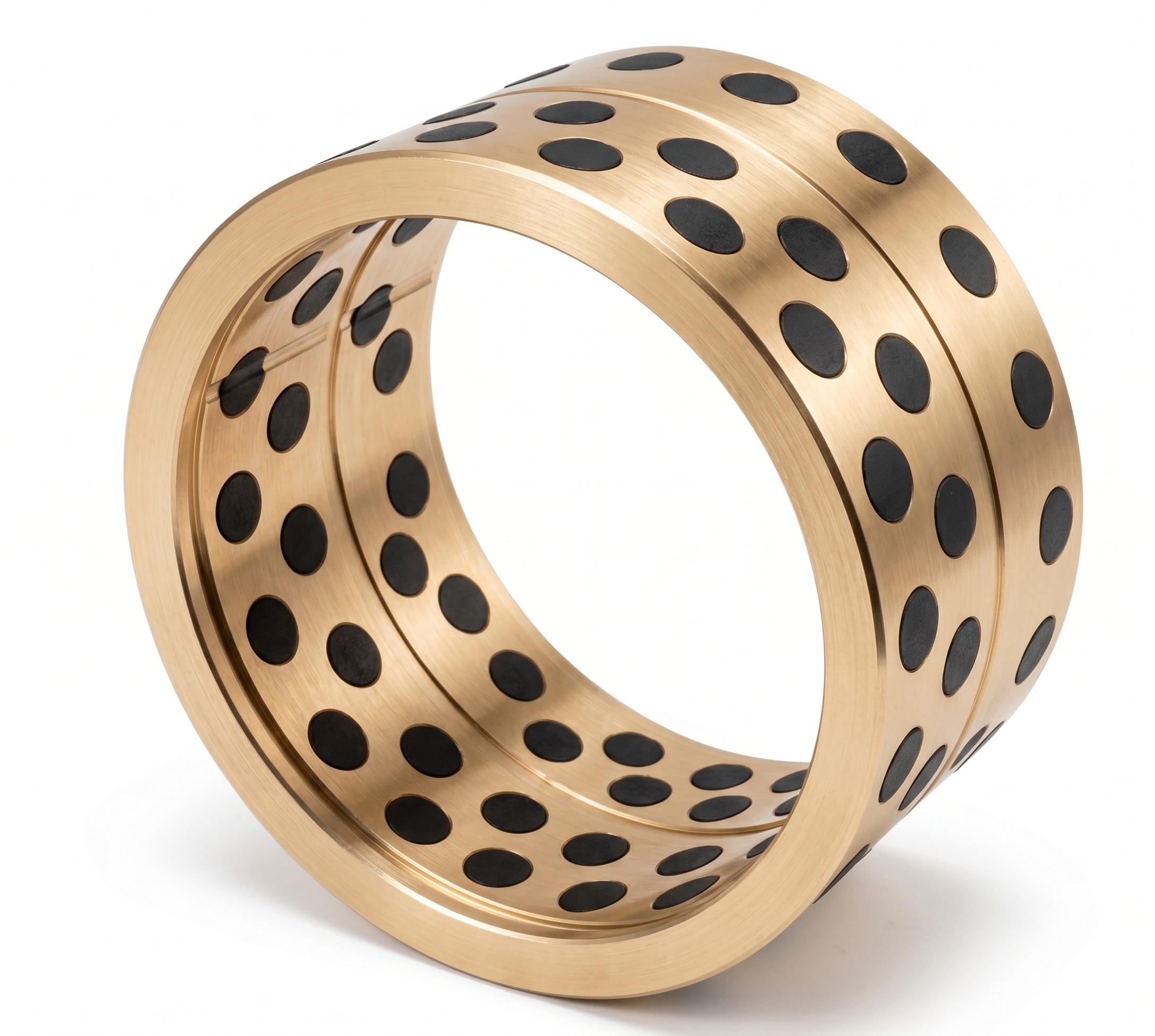
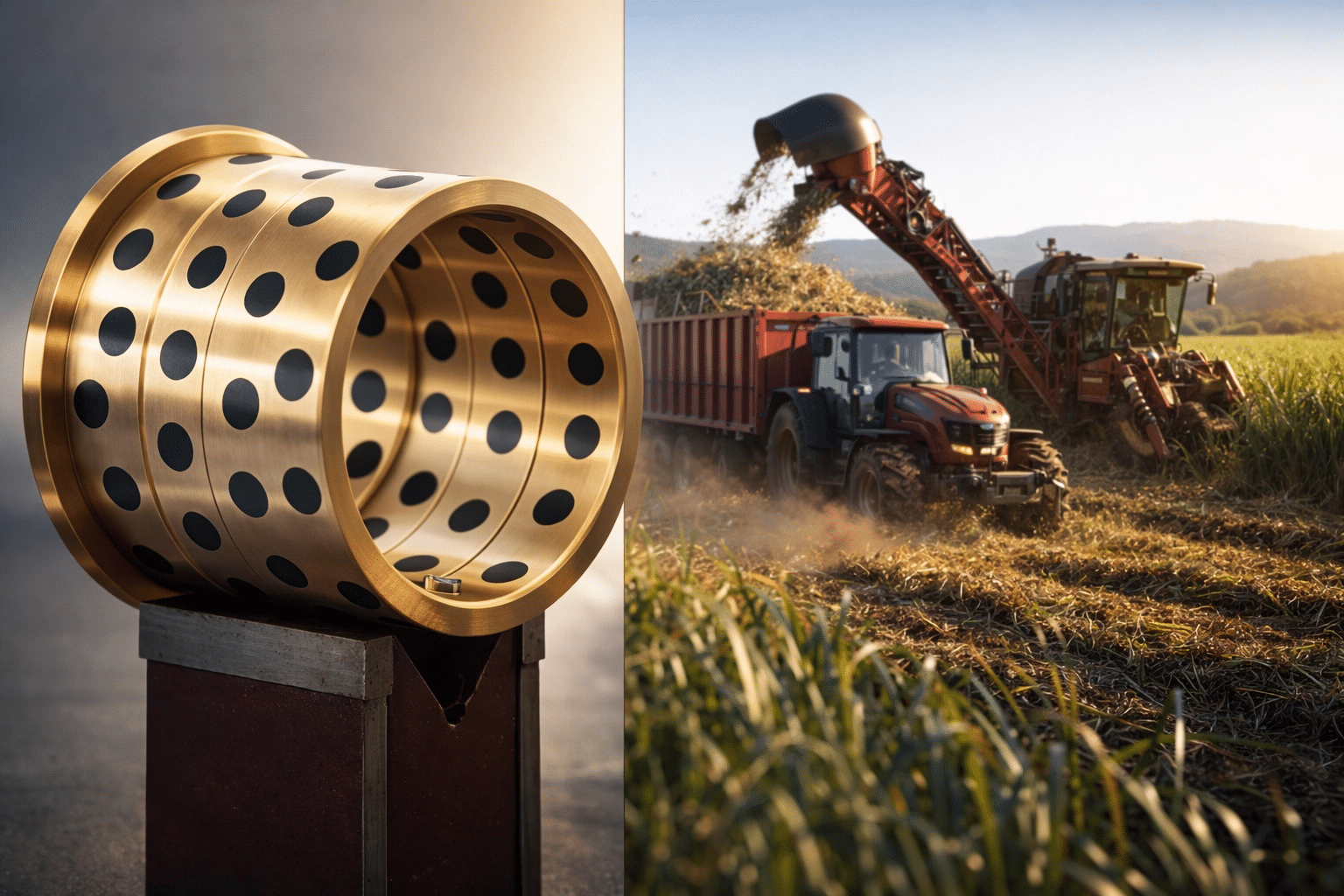
Metal Bushing (Lubricated Metal) -Self-Lubricating Bushing Materials
Bushings are specialized, self-lubricating metal components widely utilized across various industries due to their durability and low maintenance requirements. Self-lubricating metal bushings are engineered to function without additional lubrication in numerous applications, thereby minimizing maintenance needs. These bushings are available in various series and configurations, such as flanged bushings and split bearings, to meet specific application requirements.
Metal-Polymer Anti-Friction Plain Bearings
Metal-Polymer Composite Self-lubricating Bushing Material
Steel Back + Porous Bronze Sinter + PTFE
