
Understanding Brass Bushings by Size: A Comprehensive Guide to Selection and Application
Master the art of selecting brass bushings by size! Explore how ID, OD, and length impact performance, learn precise measurement techniques, and discover industry-specific sizing tips for optimal machinery efficiency.

Get Instant Quote
To get your instant quote, just send your drawings file and select your production process and material.
Place Order
After placing your order, production will start. You’ll receive regular status updates.
Receive Parts
We provide quality assurance, quality reports, and delivery tracking.
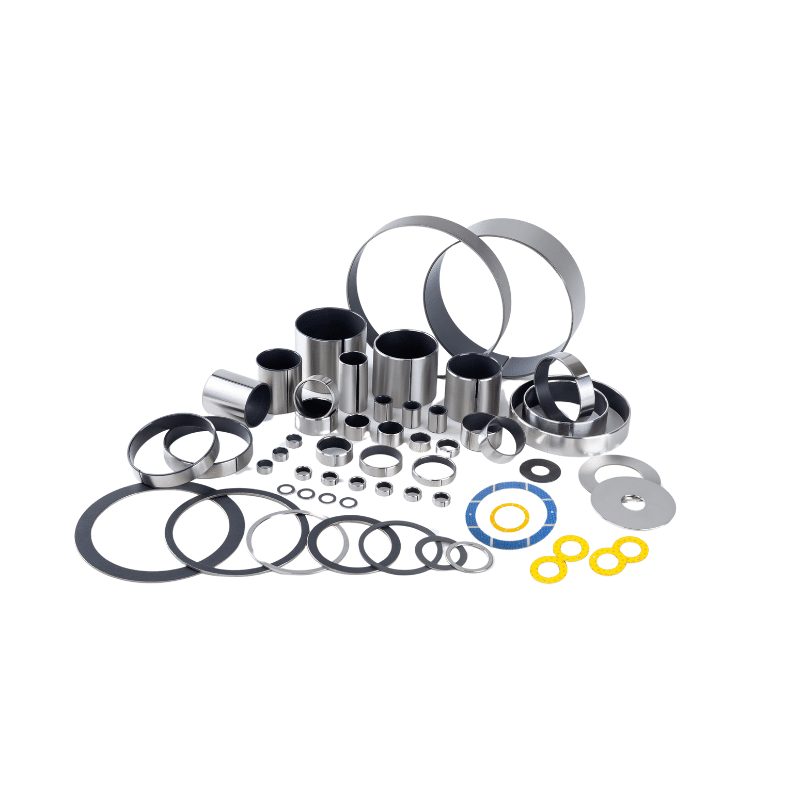
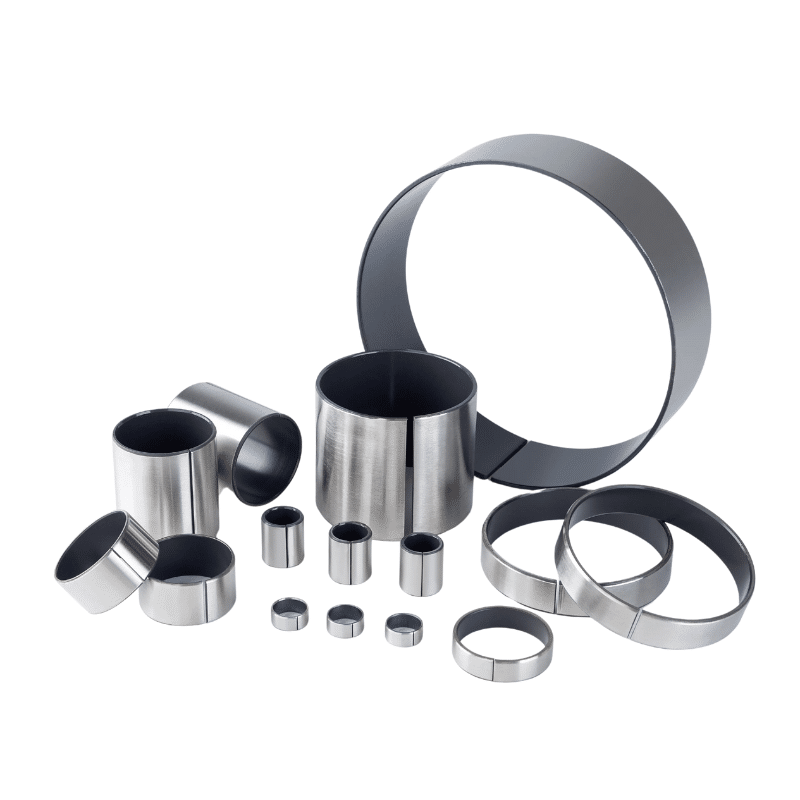
Our complete product range, Plain bushings bronze, maintenance-free, Customized plain bearings to deliver optimal performance
Our slide bearings at a glance.
Are persistent machinery breakdowns and costly repairs plaguing your operations? The culprit might be ill-fitting brass bushings. These unassuming components—also called sleeve bearings or plain bearings—play a pivotal role in reducing friction, preventing wear, and ensuring smooth motion in mechanical systems. While brass offers natural corrosion resistance and durability, selecting the correct bushing size is the true key to unlocking peak performance. In this guide, we’ll break down how dimensions like inner diameter (ID), outer diameter (OD), and length impact load capacity, alignment, and longevity. You’ll learn to measure bushings accurately, navigate standard vs. custom sizing, and apply best practices across industries. Let’s dive in!
Why Brass Bushing Dimensions Matter for Performance
Brass bushings act as a protective interface between rotating shafts and stationary housings. Their dimensions directly influence:
- Load Distribution: Longer bushings spread loads more evenly, reducing stress points.
- Alignment Accuracy: Precise ID and OD prevent shaft wobble and housing slippage.
- Friction Control: Tight tolerances minimize energy loss and heat generation.
For example, an oversized inner diameter might initially reduce friction but can lead to premature wear under heavy loads. Similarly, a bushing that’s too short may deform under pressure, while excessive wall thickness can hinder heat dissipation. Always prioritize exact sizing to balance durability with operational efficiency.
How to Measure Brass Bushings: Pro Tips & Tools
Accurate measurement is non-negotiable. Follow these steps:
Tools You’ll Need:
- Digital Calipers: For precise ID, OD, and length measurements.
- Micrometers: To verify wall thickness and detect wear patterns.
- Bore Gauges: Essential for internal diameter checks in high-tolerance applications.
Step-by-Step Process:
- Measure ID: Use a bore gauge at multiple points to check for ovality or wear.
- Check OD: Ensure consistency across the bushing’s length with calipers.
- Assess Length: Confirm alignment with housing requirements.
- Calculate Wall Thickness: Subtract ID from OD and divide by two.
Pro Tip: Worn bushings often exhibit “hourglass” or “barrel” shapes—measure both ends and the center to identify irregularities.
Standard vs. Custom Sizes: Which Should You Choose?
| Factor | Standard Bushings | Custom Bushings |
|---|---|---|
| Cost | Budget-friendly, readily available. | Higher cost due to tailored manufacturing. |
| Lead Time | Immediate shipment. | Longer production time. |
| Applications | Common uses (e.g., automotive, HVAC). | Unique specs (e.g., extreme temps, non-standard shafts). |
When to Go Custom:
- Uncommon shaft/housing dimensions.
- High-vibration environments needing reinforced walls.
- Specialty alloys (e.g., leaded brass for machinability).
While standard sizes (like 10mm ID x 16mm OD x 15mm length) suit most needs, custom solutions ensure precision in demanding scenarios. Collaborate with manufacturers to optimize cost and performance.
Industry-Specific Sizing Guidelines
Brass bushing requirements vary by sector. Here’s a breakdown:
- Automotive (5–20mm ID):
- Use Case: Steering linkages, throttle systems.
- Key Needs: Compact design, high load capacity.
- HVAC (20–50mm ID):
- Use Case: Fan motors, blower assemblies.
- Key Needs: Moderate load handling, corrosion resistance.
- Heavy Machinery (50–100mm+ ID):
- Use Case: Mining equipment, hydraulic presses.
- Key Needs: Extreme durability, tight tolerances.
Environmental Factors:
- Marine Applications: Opt for thicker walls to combat saltwater corrosion.
- Food Processing: Smooth finishes prevent bacterial buildup.
Precision Sizing = Long-Term Reliability
Plain bearings materials are metal reinforced, self-lubricated with a layer of a low friction compound tape. Collaboration drives our engineered component solutions tailored to your challenges. We begin by analyzing your product or system’s end use to develop high-performance, custom plain bearing solutions. Key factors like temperature conditions, interference with mating components, and usage conditions significantly influence material selection. Customization Options and Specifications: Dimensional Customization and Special Designs.

Specializing in metal customized plain bearing solutions.
Plain bearings Shape, cylindrical, Manufacturing on Demand
Each Customized Plain Bearing, Plain Bearing Cylindrical Bushing is tailored to fit its specific application, carefully considering factors like clearance or interference fit with mating components. Bearing shapes vary widely, featuring customized elements such as flanges, thrust washer, spherical, or conical forms to enhance overall performance.

Custom brass Bushing By Size
Brass bushings are renowned for their durability, corrosion resistance, and versatility—but not all brass alloys are created equal. Choosing the right material can mean the difference between a bushing that lasts decades and one that fails prematurely. With options ranging from leaded brass for high machinability to aluminum brass for marine environments, understanding the nuances of brass alloys is critical. In this guide, we’ll break down the most common brass bushing materials, their unique properties, and how to match them to your application’s demands. Whether you’re in automotive, aerospace, or heavy industry, you’ll learn how to optimize performance and longevity through smart material selection.
Self-Lubricating Technologies Solutions through insight
Selecting the right brass bushing size isn’t just a technical detail—it’s a strategic decision that impacts your machinery’s lifespan and efficiency. By mastering measurement techniques, understanding industry demands, and weighing standard vs. custom options, you can prevent downtime, reduce maintenance costs, and enhance safety.
Need help finding the perfect brass bushing size? Contact our experts for personalized guidance or download our free sizing checklist today!




Brass Bushing Material Guide: Properties, Alloys, and Selection Tips for Optimal Performance
Discover the best brass alloys for bushings! Compare CDA 932, CDA 954, and more in this detailed guide to material properties, applications, and industry-specific selection strategies. Need help choosing the right brass alloy? Download our free Brass Bushing Material Comparison Chart or contact our engineers for a personalized recommendation!
Match the Material to the Mission
Selecting the ideal brass alloy for your bushings ensures optimal performance, whether you’re battling ocean salt spray or extreme industrial heat. By understanding the strengths of alloys like CDA 932, 954, and 844, you can make informed decisions that boost efficiency and cut downtime. Always weigh environmental conditions, load demands, and industry regulations—and when in doubt, consult a trusted manufacturer for tailored solutions.
Browse our Services for Custom Self-lubricating Bearings
Browse our Services for Custom Self-lubricating Bearings
Browse our Services for Custom Self-lubricating Bearings
Browse our Services for Custom Self-lubricating Bearings
Browse our Services for Custom Self-lubricating Bearings
Browse our Services for Custom Self-lubricating Bearings
